




Alcohol addiction

Written by:

Medically Reviewed by:
Last Updated:
December 5th, 2023
An illness of the brain, alcohol addiction can be one of the most difficult addictions to recognise within yourself and other people. The excessive use of alcohol can have various adverse impacts on both mental and physical health. With that in mind it is vital to have an understanding of just what an alcohol addiction is , as well as to be aware of both the potential signs of an alcohol addiction, as well as the options available in terms of actions that can be taken in order to combat it.
There is a famous quote from the novel The Great Gatsby that says; “First you take a drink, then the drink takes a drink, then the drink takes you.”
This perfectly sums up how quickly casual drinking can become a full-blown addiction.
Today, alcoholism affects hundreds of thousands of people in the UK and millions more around the world. It can affect every aspect of your life from your health to your relationships with your loved ones. But how does alcohol addiction develop? And what are the common underlying causes?
On this page, we will explain what alcohol addiction is, why people become addicted and the symptoms of alcoholism to look out for in yourself and others. We will also explain the treatment options available and where to get help.

What is alcohol addiction?
Alcoholism is an illness of the brain that causes a compulsion to drink through intense cravings for alcohol. Alcohol addiction is made up of two elements: a physical addiction and a psychological addiction.
At the root of alcoholism are underlying causes that trigger compulsive drinking. These causes may stem from negative emotions such as pain, sadness or anxiety, or they may be a way of coping with difficult situations or problems in your life.
Like other addictions, drinking provides a temporary distraction or relief from these feelings but eventually, the addiction takes over and the person is unable to stop even though they want to. The addiction will continue to progress unless it is treated, and the person will often experience negative consequences as a result of their addiction.
While the path to addiction varies from person to person, there are five main stages:
1. Occasional use or binge drinking
This usually involves experimentation. If you like the taste or the way alcohol makes you feel, you might choose to drink again. However, at this stage, you can still exert control over your drinking, even if you do drink more than the recommended weekly amount.
2. Alcohol abuse
This stage involves more frequent use of alcohol and you may be drinking more than the recommended amount on a regular basis. At this point, you may be using alcohol to boost your confidence or to alleviate feelings of stress or anxiety. This can lead to a cycle of abuse and an emotional attachment to alcohol.
3. Problem drinking
At this stage, you have developed a problem with alcohol and will be drinking out of habit rather than choice. Your use may be starting to have an impact on other aspects of your life and you might be noticing problems with your moods and sleeping patterns. Nevertheless, you are probably still at the stage where you are enjoying alcohol and believe that it is making your life better.

4. Physical dependency
At this stage, you have probably developed a tolerance to alcohol and require more of it to feel the same level of enjoyment as before. This increased consumption can cause your body to get used to alcohol. When you are not using it, or the effects begin to wear off, you will likely experience physical withdrawal symptoms such as a rapid heartbeat, sweating, tremors and nausea.
5. Addiction
After physical dependency comes addiction. At this stage, you are drinking because you have a physical and psychological need to do so, and not for pleasure or because you want to. You will crave alcohol and it will interfere with your ability to enjoy life. It is likely to be having a negative impact on your relationships with others as well as on your health and finances. Even knowing the harm that it is causing, you will not be able to stop. You will be compelled to drink and will be powerless to resist.
Alcohol addiction in the UK
Alcoholism has been a huge issue in the UK for decades and the numbers of people with alcohol addiction continue to rise year on year. In fact, according to NHS figures, over seven-and-a-half million people in the UK show signs of alcohol dependence.
Alcohol is the third leading preventable cause of death in the UK after smoking and obesity-related diseases. There are ten million trips to the doctor each year due to drinking, with 2.1% of all hospital admissions in the UK for alcohol-related conditions.
The effects of alcohol addiction
Alcoholism has many negative consequences, not least of which is the impact that it has on mental and physical health. It can lead to liver conditions, high blood pressure, increased risk of heart disease, obesity and obesity-related diseases and many other physical conditions.
Alcohol abuse disrupts the balance of chemicals in the brain, which can result in changes to thoughts, emotions and behaviour. This is because alcohol is a natural depressant and so your brain has to produce stimulant chemicals to balance the depressants. When there is an excess of these stimulants you may become agitated or overly excited and when there is excess alcohol you may become sad or angry.

Alcohol addiction is also strongly linked to serious mental health disorders such as anxiety and depression. Drinking can be both the underlying cause of these conditions and also an exacerbating factor, as many individuals drink alcohol to try and relieve the symptoms. This often results in a cycle of abuse, as when the effects of alcohol wear off, the feelings of anxiety and depression tend to worsen and so more alcohol is consumed in a bid to self-medicate.
Alcohol is linked to self-harm, psychosis and suicide and because it can impair judgement and lead to reckless, compulsive behaviour, many people who take their own lives do so while under the influence of alcohol. In fact, NHS Scotland has said that over half of all hospital admissions related to deliberate self-harm have a direct link to alcohol either immediately before or during the act.
How to spot alcohol addiction in yourself and others
In order to get effective treatment for alcohol addiction, it is important to identify the problem as soon as possible. Here are some common signs of alcoholism to look out for in yourself and others:
- Drinking in the daytime on a regular basis
- “Blacking out” – drinking so much that the next day, you have no memory
- Drinking regularly to relax or feel better
- Drinking before stressful events
- Neglecting important aspects of your life such as your relationships, work or education
- Drinking even though it is causing issues in your life
- Lying about how much you are drinking
- Spending more than you can afford on alcohol but not being able to stop
Addiction is an incredibly sneaky condition that thrives when it is able to isolate a person from their loved ones and support systems. Denial is common among those suffering from alcoholism. It is an obstacle to recovery because it can prevent you from noticing the signs of an alcoholic and seeing the truth of your situation. If your addiction is able to convince you that you don’t have a problem, you can continue with your addictive behaviour without consequence or responsibility for your actions.
If it is strong enough, addiction denial can be projected to family members and friends, who will then also be convinced that there is no issue. This can lead to them enabling their loved one by helping them fund their addiction or turning a blind eye to the effects that alcoholism is having.
Is there a cure for alcoholism?
Alcohol addiction is a complex condition and so there is no overnight miracle cure. However, the addiction can be effectively treated at alcohol rehab through a comprehensive recovery programme. This will usually involve a detoxification process before you undergo addiction therapy, which will enable you to clear the alcohol from your system and address the underlying causes of your addiction.

The best way to get started is to contact our addiction treatment professionals, who will be able to advise you on the best course of action to take.
Important facts about alcohol addiction
- Alcoholism is caused by a mixture of genetic and environmental factors.
- Alcohol addiction is not a failure of will or a lack of strength of character. It is a physical and mental condition that can affect anyone.
- Individuals with an alcohol dependence have higher rates of psychiatric disorders, including depression, anxiety, post-traumatic stress disorder and psychosis.
- Children of alcohol-addicted parents are four times more likely to develop alcohol addiction in later life.
- Alcoholism can lead to poor health, unemployment, poverty, relationship troubles, crime, homelessness, imprisonment and premature death.
How to seek help
At UKAT, we have successfully treated hundreds of people for alcohol addiction. Many of our addiction therapists have been through recovery themselves and so they will be able to help you on every step of your journey. Contact our admissions team to find out how we can help you.
Myths About Alcohol and Addiction
- Alcohol addiction only affects men…
![]()

While historically, alcohol addiction was considered a male problem, recent statistics show that it is just as prevalent in women.
- Excessive drinking and addiction are the same…
![]()
While regular, excessive drinking can cause significant damage, addiction is defined by the compulsive need to drink.
- There is no such thing as a functioning alcoholic…
![]()
Many people with alcohol addiction hold down jobs, maintain relationships and are able to function “normally”. However, these are relatively rare cases and most people will have some underlying physical or mental health conditions, particularly in the long term.
- The government encourages drinking to make money from alcohol taxes…
![]()
A report by the Institute of Alcohol Studies showed that the £21 billion figure regularly quoted by the Government in terms of the cost of alcohol to society could actually represent only 50% of the true cost. This is far more than is generated by alcohol tax revenues.
Frequently Asked Questions
Alcohol is often used as a coping mechanism to deal with trauma. An addiction develops when you are unable to cope with the symptoms of those conditions without alcohol.

An accidental alcohol relapse occurs when an individual unintentionally consumes alcohol, mist... More

In this blog, we explore seven compelling reasons why someone would consider a life without alcohol abstinence. It's... More

While societal views on alcoholism are slowly beginning to shift, there is still often a perception that alcohol add... More

You may have heard of some unusual addictions, like being addicted to being in a relationship or addicte... More

Britain is known around the world for its drinking culture. Brits typically associate summer, for exampl... More

Post-work drinks with work colleagues. A glass of wine with dinner. Many people who would not consider t... More

Society has come a long way in recognising and accepting LGBTQ+ people since the 1960s. After several ... More

Ever since the charity Alcohol Change UK launched its Dry January campaign in 2013, growing numbers of peo... More

Burns Night, a celebration steeped in rich Scottish heritage, is observed every January 25th... More

Education is an incredibly powerful force, and it has been shown again and again to be an effective so... More
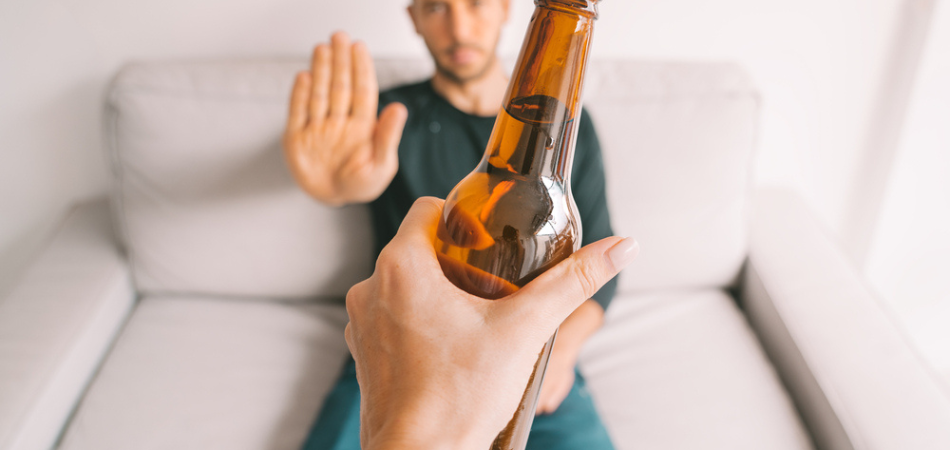
The Dry January was first launched as a structured campaign by the charity Alcohol Change UK in 2013. ... More

As we approach the new year, setting resolutions is something people have started thinking about. New Year... More

The Prohibition era in the United States, which spanned from 1920 to 1933, was a social experiment aimed a... More

The late Matthew Perry was best known for his iconic role as Chandler Bing in the TV series Friends. His... More

Addiction can have a relentless grasp on you. The clutches of drug and alcohol abuse lead to isolation... More

Football and alcohol share a long and intertwined history within the fabric of British culture. For many p... More

Oktoberfest, the world's largest beer festival held annually in Munich, Germany, is a celebration renowned... More

In a bid to reduce the number of alcohol-related crimes in the UK, alcohol tags (or sobriety tags) have been given t... More

For many of us, 2023 brings with it an opportunity to reinvent ourselves, casting aside what has passed and establis... More

Take a moment to picture an alcoholic. Are they young or older? How do they walk and talk? What type of childhoo... More

Envision it is a sunny Friday afternoon. You’ve just finished work and set off to the pub to meet your f... More

The latest campaign from MacMillan Cancer Support, “Go Sober for October” encourages people ... More
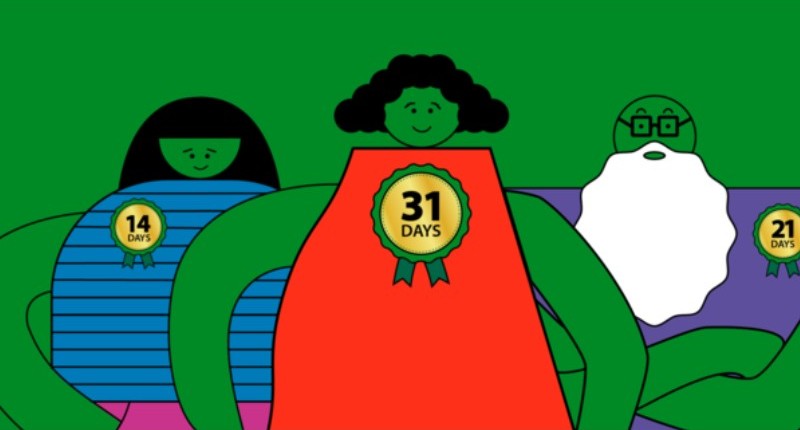
'Go Sober for October' is a fundraising event that sees participants simultaneously looking after their liver... More
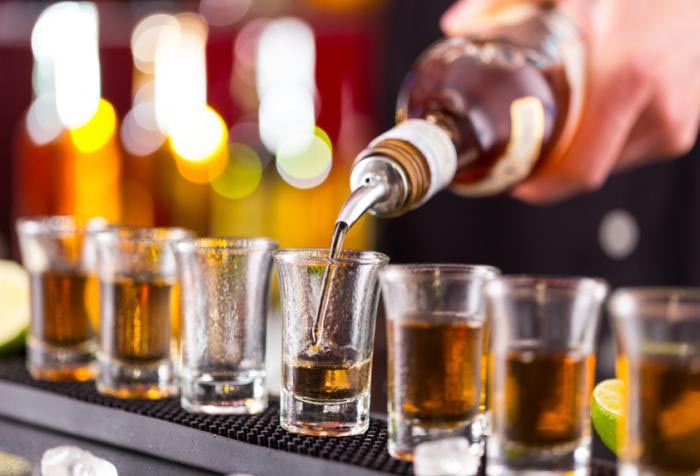
According to a Panorama investigation, ‘Britain’s Drink Problem’, only 16% of adults are aware of low-risk dri... More

In a 2019 Irish health survey, 68% of respondents said alcohol had affected past decisions around safe sex. A 2016 ... More


While alcoholism is an illness that can certainly be treated and managed effectively on an ongoing basis, there is c... More
